Introduction
Basements are one of the most useful yet vulnerable parts of any building. Whether you use it for storage, parking, or living space, keeping your basement dry is absolutely essential. Unfortunately, many homeowners face a common problem — water seepage.
If left untreated, even a small leak can turn into a major structural issue. That’s why waterproofing for basements is not just an option — it’s a necessity.
In this detailed guide, we’ll explain everything in simple terms — from causes of water ingress to permanent solutions, methods, costs, and expert tips. By the end, you’ll clearly understand how to protect your property and avoid expensive repairs.
Problem Overview: Why Do Basements Leak?
Before jumping into solutions, it’s important to understand the problem.
Basements are built below ground level, which means they are constantly exposed to moisture from the surrounding soil. Over time, this pressure causes water to find its way inside.
Common Causes of Water Ingress in Basements
1. Cracks in Basement Foundations
Small cracks in basement foundations are one of the biggest reasons for leakage. These cracks may develop due to:
- Soil movement
- Poor construction
- Temperature changes
2. Poor Drainage System
If rainwater or groundwater is not properly diverted away from the building, it starts accumulating around the basement walls.
3. Hydrostatic Pressure
When water builds up in the soil, it creates pressure against the walls. This pressure forces water inside through even the tiniest gaps.
4. Faulty Construction or Low-Quality Materials
Improper construction practices often lead to weak structures that cannot resist moisture.
5. Damaged Waterproofing Layer
In older buildings, the waterproofing layer may wear out, leading to water seepage.
Why Waterproofing for Basements Is Essential
Ignoring basement leakage can lead to serious consequences — not just structurally but also for health and safety.
Key Benefits of Basement Waterproofing
1. Protects Structural Integrity
Water weakens concrete and steel over time. Proper basement sealing and waterproofing prevents this damage.
2. Prevents Mold and Dampness
Moisture creates a perfect environment for mold growth, which can cause respiratory issues.
3. Increases Property Value
A dry, well-maintained basement adds value to your property.
4. Saves Repair Costs
Fixing damage later is far more expensive than investing in proper waterproofing now.
5. Improves Usability
A waterproof basement can be used for storage, office space, or even living areas.
Methods of Waterproofing for Basements
There is no one-size-fits-all solution. The right method depends on the building condition, soil type, and severity of leakage.
Let’s explore the most effective techniques used in basement waterproofing.
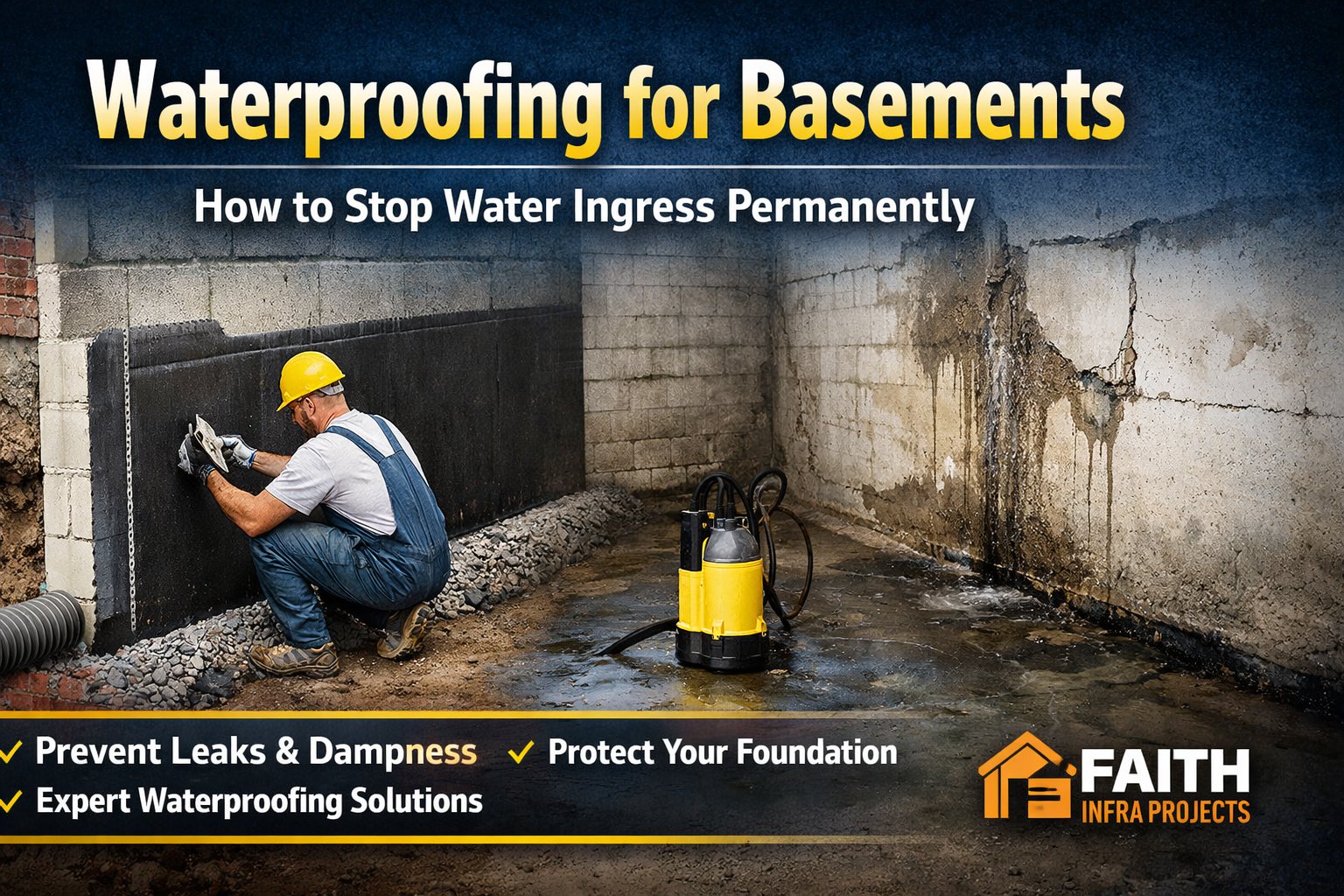
1. External Waterproofing (Positive Side Waterproofing)
This is one of the most effective methods because it stops water before it enters the structure.
How It Works:
- Excavation is done around the building
- Waterproof membranes are applied on outer walls
- Drainage systems are installed
Materials Used:
- Bituminous coatings
- HDPE membranes
- Liquid waterproofing membranes
Benefits:
- Long-lasting solution
- Protects foundation walls directly
2. Internal Waterproofing (Negative Side Waterproofing)
This method is used when external access is not possible.
How It Works:
- Waterproof coatings are applied from inside
- Cracks are sealed using chemicals
- Drainage systems may be added
Benefits:
- Cost-effective
- Suitable for existing buildings
3. Injection Grouting
This is a highly effective method for repairing cracks and stopping active leaks.
Process:
- Holes are drilled into cracks
- Special chemicals (PU or epoxy) are injected
- These chemicals expand and seal the gaps
Best For:
- Active leakage
- Structural cracks
4. Crystalline Waterproofing
This method uses chemical compounds that react with concrete to block water pathways.
How It Works:
- Applied as a coating
- Forms crystals inside pores
- Stops water movement permanently
Advantages:
- Long-lasting
- Self-healing properties
5. Drainage Systems
Waterproofing is incomplete without proper drainage.
Types:
- French drains
- Sump pumps
- Perimeter drainage systems
Purpose:
- Divert water away from basement
- Reduce hydrostatic pressure
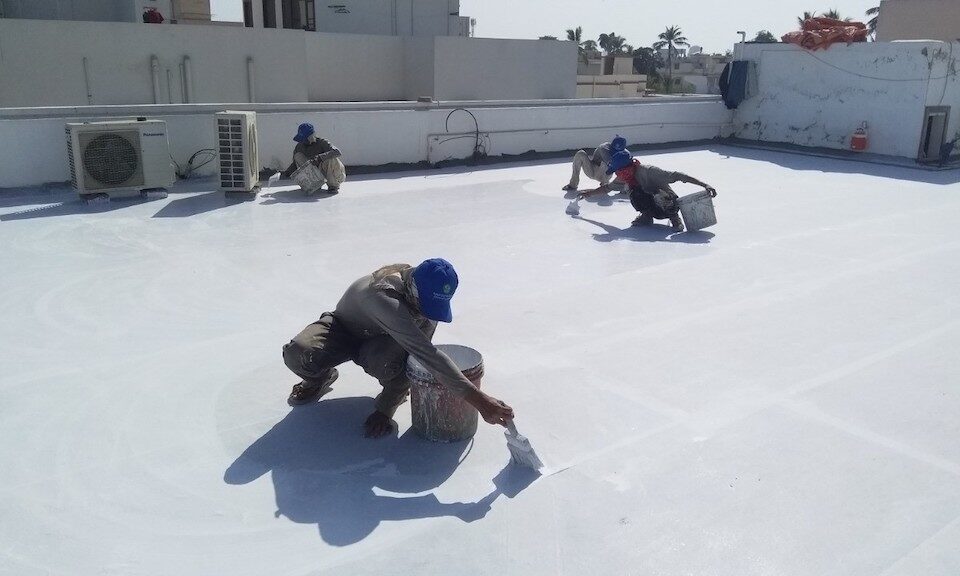
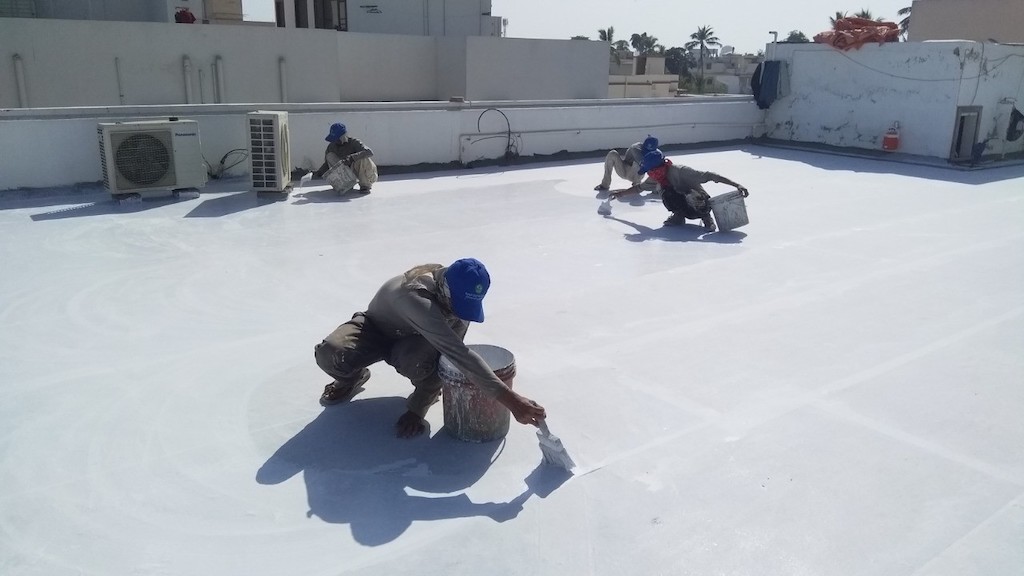
6. Waterproof Plastering & Coatings
Special waterproof plasters and coatings are applied to enhance resistance.
Includes:
- Cementitious coatings
- Polymer-based coatings
Step-by-Step Basement Waterproofing Process
Here’s how professional companies typically handle water sealing basement projects:
- Inspection & Assessment
Identify leakage points and structural issues - Surface Preparation
Clean and repair damaged areas - Crack Filling
Use injection grouting or sealants - Application of Waterproofing System
Choose suitable method (external/internal) - Protective Layer Installation
Add protective coatings or membranes - Drainage Setup
Ensure proper water flow away from structure
Choosing the Right Waterproofing Company
Selecting the right professionals makes all the difference.
What to Look For:
1. Experience & Expertise
Choose a company with proven experience in basement sealing and waterproofing.
2. Quality Materials
Ensure they use high-grade waterproofing chemicals and membranes.
3. Customized Solutions
Every basement is different — avoid one-size-fits-all approaches.
4. Warranty & Support
Reliable companies offer guarantees on their work.
5. Local Expertise
If you’re in Delhi NCR, hiring experts familiar with local soil and climate is important.
Why Choose Faith Infraprojects?
Faith Infraprojects is a trusted name for waterproofing services in Noida and Delhi NCR.
They offer:
- Advanced waterproofing techniques
- Experienced professionals
- High-quality materials
- Long-term solutions
Their team ensures that your basement stays dry — permanently.
Cost Factors for Basement Waterproofing
The cost of waterproofing for basements depends on several factors:
1. Severity of Leakage
More damage means higher repair costs.
2. Area Size
Larger basements require more materials and labor.
3. Method Used
External waterproofing is usually more expensive than internal methods.
4. Materials
Premium materials cost more but offer better durability.
5. Accessibility
Difficult access increases labor costs.
Maintenance Tips to Prevent Future Leakage
Even after waterproofing, regular maintenance is essential.
Simple Tips:
- Inspect basement walls regularly
- Repair cracks immediately
- Keep drainage systems clean
- Ensure proper slope around the building
- Avoid water accumulation near foundation
FAQ Section
1. What is the best method for waterproofing for basements?
The best method depends on the situation. External waterproofing combined with drainage systems is usually the most effective and permanent solution.
2. How long does basement waterproofing last?
With proper materials and professional application, basement waterproofing can last 10–25 years or more.
3. Can I do water sealing basement myself?
DIY methods may provide temporary relief, but for permanent results, professional basement sealing and waterproofing is recommended.
4. How do I know if my basement needs waterproofing?
Signs include:
- Damp walls
- Musty smell
- Visible cracks
- Water puddles
5. Is basement waterproofing expensive?
Costs vary depending on the problem, but it’s a smart investment compared to the damage caused by water leakage.
6. Which areas need waterproofing the most in a basement?
Critical areas include:
- Foundation walls
- Floor joints
- Cracks and construction joints
Conclusion
Water leakage in basements is a serious issue that should never be ignored. From structural damage to health risks, the consequences can be severe.
The good news is that with the right approach, waterproofing for basements can completely stop water ingress — permanently.
By understanding the causes, choosing the right methods, and working with experienced professionals, you can protect your property for years to come.If you’re facing basement leakage problems, it’s time to take action.
Get in touch with Faith Infraprojects — your trusted partner for reliable and long-lasting waterproofing solutions in Noida and Delhi NCR.
Don’t wait for the leak to start damaging your home.
Contact Faith Infraprojects today. Their team of certified experts specializes in comprehensive, warranty-backed water proofing for bathroom and washroom systems, ensuring your property is protected with the highest quality standards.
Call Faith Infraprojects for a thorough inspection and a long-term waterproofing solution that stops leaks before they start!