1What is Deadwall Waterproofing?
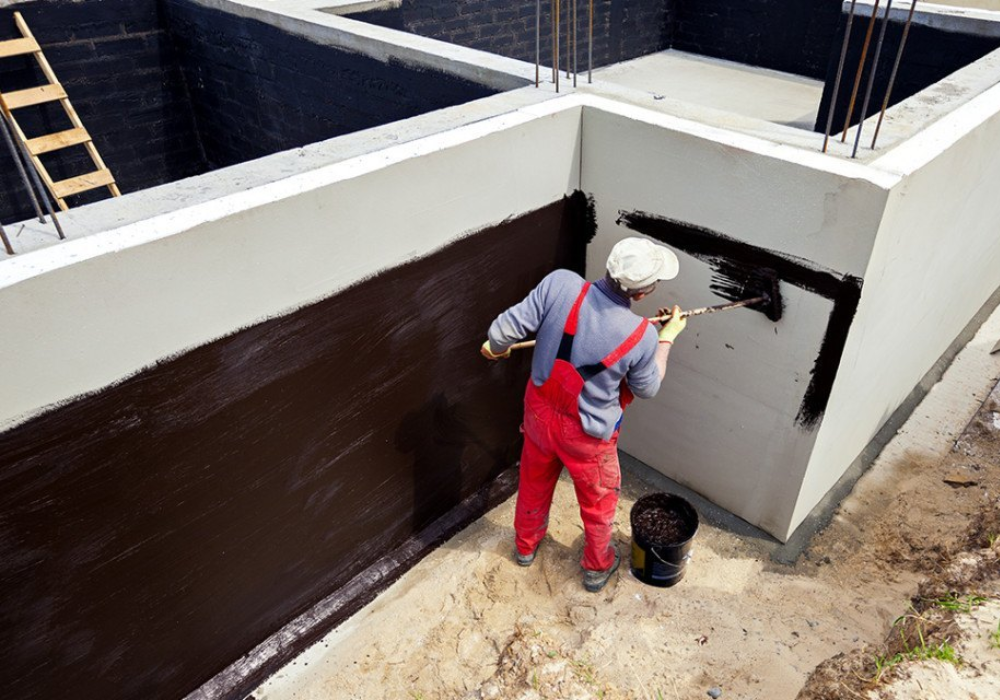
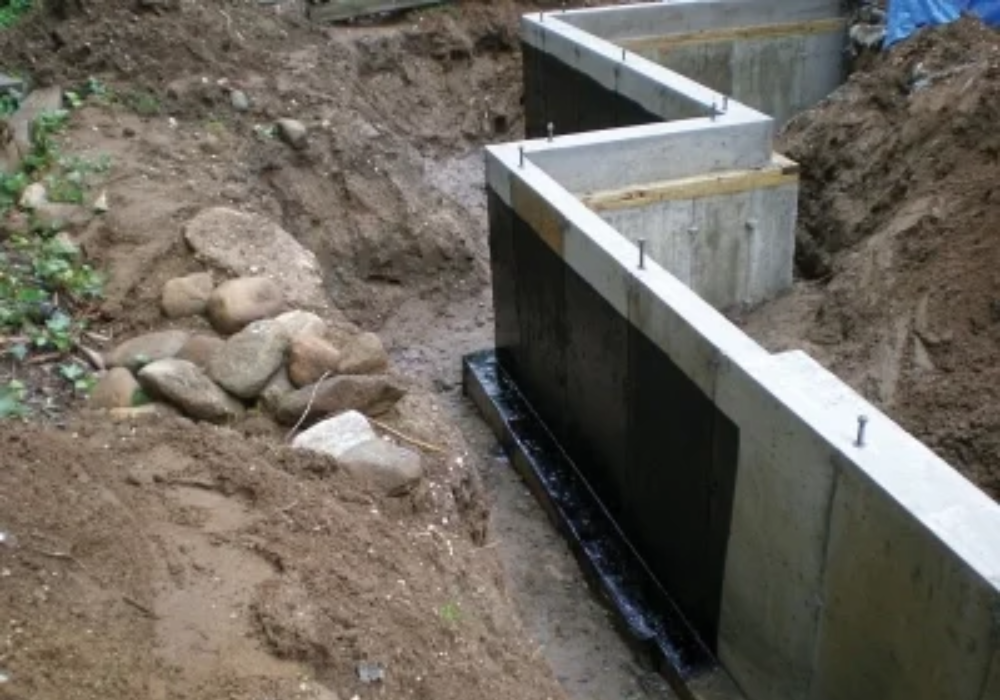
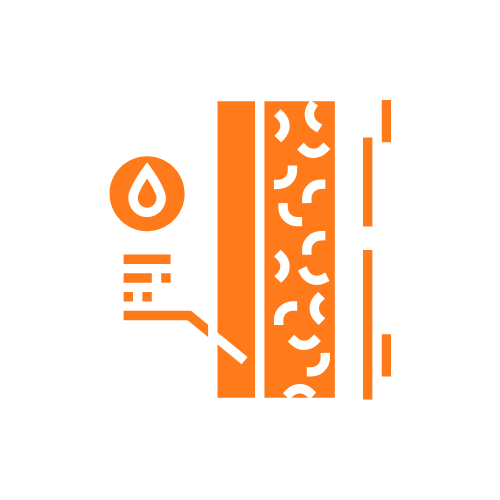
Deadwall waterproofing is a specialized process to protect walls that are either fully or partially below ground level and lack proper drainage. These "deadwalls" are highly susceptible to moisture, which can cause significant damage. Applying a protective barrier prevents water penetration, ensuring the wall's longevity and structural integrity.
2Why is it important to waterproof a deadwall?
Proper waterproofing is crucial because moisture retention in these walls can lead to a number of problems. The most common issues include dampness, which promotes mold and mildew growth, structural weakening of the building, and unsightly aesthetic damage to both the interior and exterior of the property.
3How is the waterproofing process carried out?
The process typically involves an assessment of the wall's vulnerabilities and moisture levels. A professional team then applies high-performance membranes, coatings, or sealants to create an impermeable barrier. This protective layer ensures that the wall remains dry and secure, providing effective and long-lasting protection.
4What are the signs that my deadwall needs attention?
Look for signs of dampness on interior walls, peeling paint, or a musty odor. On the exterior, you may notice efflorescence (a white, powdery substance) or visible cracks. These are all indicators that your deadwall may be retaining moisture and requires professional inspection and waterproofing.
5How does this service prevent future problems?
By creating an effective barrier against water, deadwall waterproofing prevents moisture from reaching the wall's structure. This not only eliminates existing issues like structural weakening and aesthetic damage but also ensures the building is protected from future moisture-related problems. It works by complementing existing proper drainage systems to provide a comprehensive solution.
6How does Deadwall Waterproofing prevent dampness and leakage?
By using high-performance membranes and proper drainage systems, Deadwall Waterproofing creates a strong barrier that prevents water penetration. This ensures that moisture does not seep into the walls, keeping the structure safe from cracks, mold, and deterioration.
7What problems occur if a deadwall is not waterproofed?
If a deadwall is left untreated, it can cause dampness, structural weakening, and aesthetic damage like peeling paint or efflorescence. Over time, these issues can compromise the stability of the entire building.
8Which waterproofing methods are best for deadwalls?
The most effective methods for Deadwall Waterproofing include applying high-performance membranes, ensuring proper drainage around the foundation, and using advanced chemical treatments that provide long-lasting protection.
9Can Deadwall Waterproofing improve the lifespan of a building?
Yes, proper Deadwall Waterproofing significantly extends the life of a structure. By preventing water infiltration and dampness, it reduces the chances of structural weakening and costly future repairs, ensuring the building remains strong and visually appealing.
10Is Deadwall Waterproofing necessary for both residential and commercial properties?
Absolutely. Whether it’s a residential basement or a commercial structure, deadwalls are vulnerable to water seepage. Deadwall Waterproofing safeguards both types of properties from damage caused by moisture and poor drainage conditions.