1What is HDPE Membrane Waterproofing?
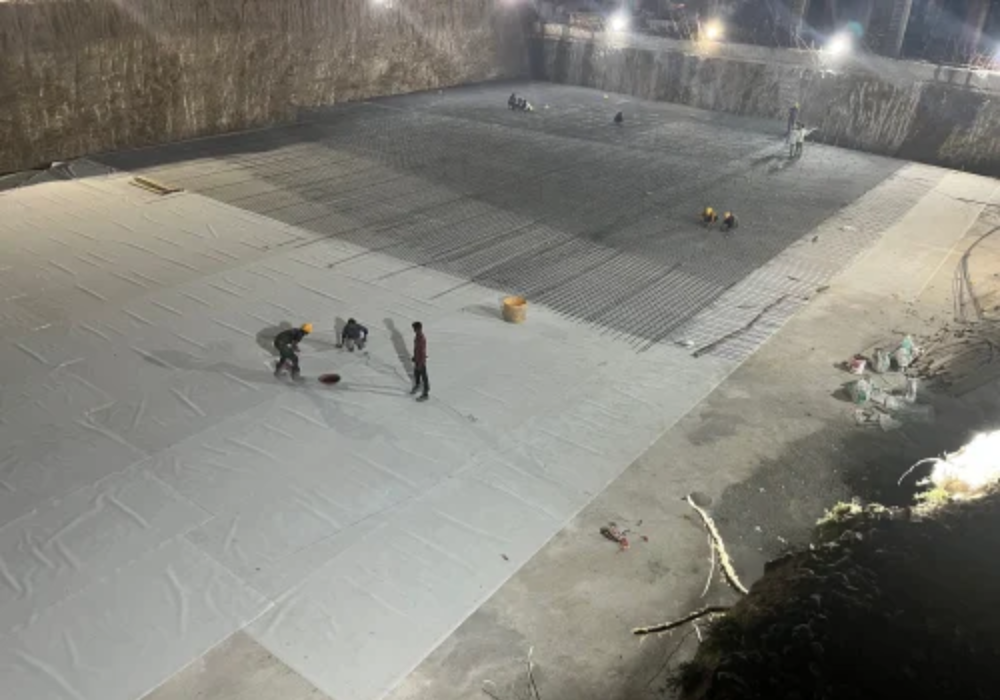
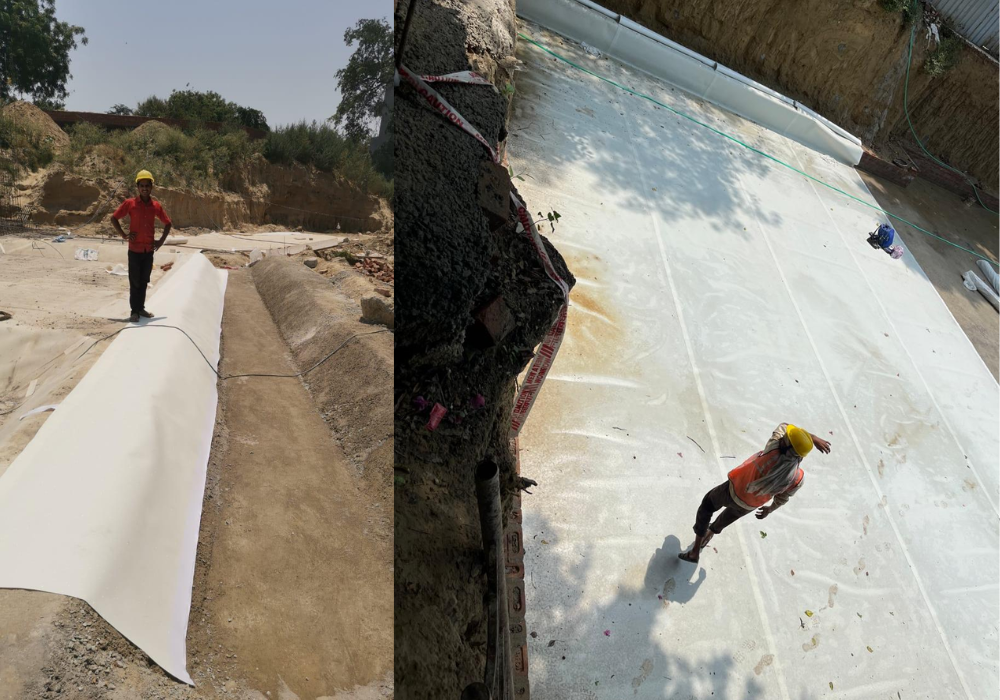
It is a highly effective method that uses a high-density polyethylene (HDPE) membrane to create a continuous barrier against water and moisture. This flexible yet durable sheet membrane is installed on surfaces like foundations, basements, and terraces to prevent water ingress. It's a reliable alternative to other methods like liquid rubber waterproofing or pu waterproofing coating and offers a robust, long-lasting solution.
2How does an HDPE membrane compare to other types of waterproofing?
Unlike an app membrane which is applied with heat, the HDPE Membrane Waterproofing system is typically a mechanically fastened or self-adhering sheet membrane. It provides superior resistance to chemical and biological attacks, making it a preferred choice for below-grade structures. While a wp membrane (waterproofing membrane) can refer to various materials, the HDPE type is known for its puncture resistance and dimensional stability. Many professionals consider Membrane Waterproofing to be a top-tier choice for critical applications.
3Can HDPE membranes be used for terrace waterproofing?
Yes, Membrane Waterproofing is an excellent solution for water proofing for terrace. The membrane's strength and durability can withstand foot traffic and UV exposure (if a UV-resistant variant is used or it is protected by a top layer). The proper installation of sheet membranes ensures a seamless, watertight layer, protecting the underlying structure from rain and moisture damage.
4Is this method suitable for all types of structures?
HDPE Membrane Waterproofing is highly versatile and suitable for a wide range of structures, including residential basements, commercial buildings, tunnels, and retaining walls. The use of a thick and durable wp membrane ensures a high level of protection. While other options like a simple pu waterproofing coating might suffice for smaller, less critical areas, the comprehensive protection provided by HDPE Membrane Waterproofing is often the ideal choice for large-scale and high-stakes projects.
5What are the key advantages of using a HDPE membrane?
The main advantages of HDPE Membrane Waterproofing include its exceptional resistance to water and chemicals, high tear and puncture strength, and longevity. The installation of these sheet membranes creates an impermeable barrier that is not susceptible to cracking or drying out over time, unlike some liquid-applied products. This makes HDPE Membrane Waterproofing a cost-effective long-term investment for protecting your property.
6Where can HDPE Membrane Waterproofing be applied?
HDPE Membrane Waterproofing can be applied in multiple areas including roofs, basements, foundations, and especially water proofing for terrace surfaces. It is also an excellent alternative to APP membrane and PU waterproofing coating when long-term protection is required.
7Is HDPE Membrane Waterproofing better than liquid rubber waterproofing?
Both are effective, but HDPE Membrane Waterproofing offers stronger resistance to punctures and harsh weather conditions compared to liquid rubber waterproofing. While liquid rubber works well for small repairs, HDPE membrane or sheet membrane is preferred for large-scale and heavy-duty applications.
8How long does HDPE Membrane Waterproofing last?
When installed by professionals, HDPE Membrane Waterproofing can last for decades without losing its strength. Compared to APP membrane or PU waterproofing coating, HDPE membranes are more resistant to chemical exposure, soil pressure, and structural movement.
9What is the difference between sheet membrane and liquid waterproofing?
Sheet membranes like HDPE provide a strong physical layer that prevents water ingress, while liquid solutions such as liquid rubber waterproofing or PU waterproofing coating create a chemical layer after application. For larger projects, HDPE membrane waterproofing is often the more reliable choice.
10How much does HDPE Membrane Waterproofing cost?
The cost of HDPE Membrane Waterproofing depends on project size, site condition, and installation method. Though it may be slightly higher than APP membrane or PU waterproofing coating, it offers superior durability and reduces long-term repair expenses.