1What is Concrete Waterproofing and why is it important?
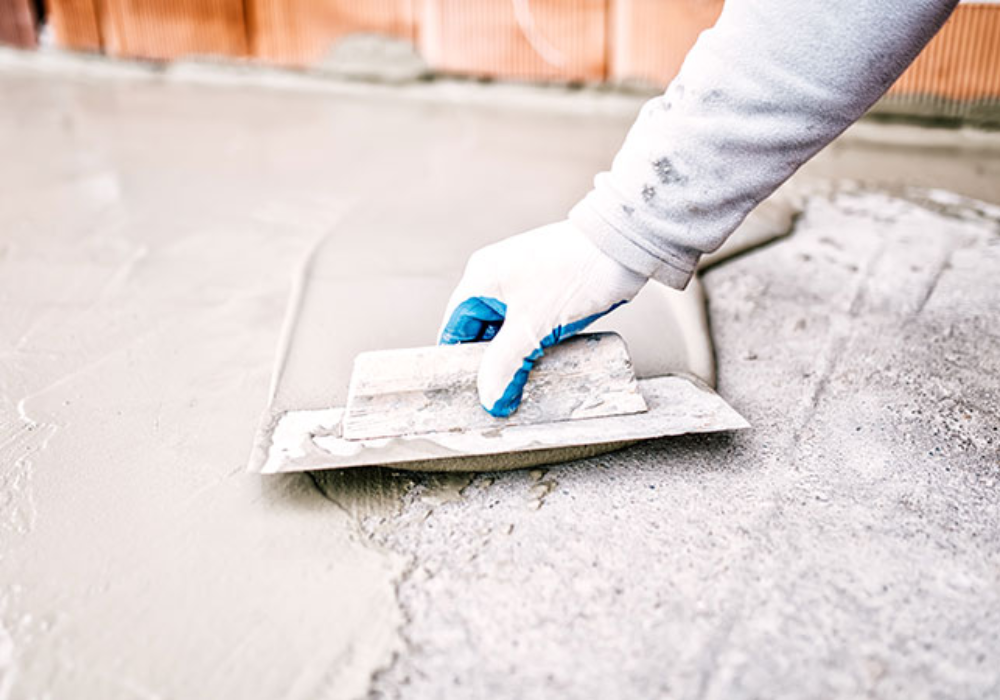
Concrete Waterproofing is a process that involves applying specialized coatings and sealants to concrete surfaces to prevent water infiltration. Concrete is porous and can absorb water, leading to cracks, erosion, and structural damage over time. Proper concrete and waterproofing protects the structure from this damage, increases its lifespan, and prevents mold or mildew growth.
2How does slab waterproofing work in buildings?
Slab waterproofing involves applying waterproof membranes, coatings, or chemicals to prevent water seepage through concrete slabs. This is especially important for basements, balconies, and roofs where water accumulation is common. A proper concrete slab waterproofing solution helps maintain the strength of the structure and prevents costly repairs in the future.
3Can concrete alone be water resistant without waterproofing?
While water-resistant concrete mixes are available, they are not fully waterproof. Over time, cracks and joints may still allow moisture to enter. That’s why concrete and waterproofing systems are combined for maximum protection. Applying waterproofing chemicals or membranes ensures that both the surface and deeper layers remain protected from leaks and dampness.
4What are the best methods for concrete roof waterproofing?
Concrete roof waterproofing can be done using liquid membranes, bituminous coatings, or polyurethane-based sealants. These methods create a protective layer that prevents rainwater from seeping into the roof slab. Proper drainage design along with high-quality waterproofing extends the life of your roof and keeps interiors dry.
5How is concrete roof waterproofing different from concrete wall waterproofing?
While both aim to prevent water seepage, the application methods and materials can vary slightly depending on the angle and exposure of the surface. Concrete roof waterproofing often involves more robust membranes or liquid applications designed to withstand direct sun exposure and standing water. Concrete wall waterproofing, especially for basements, focuses on creating a barrier against hydrostatic pressure from surrounding soil.
6How long does concrete waterproofing last?
The lifespan of concrete waterproofing depends on the materials used, application quality, and exposure to weather. Generally, a well-done waterproofing treatment can last 8–15 years. Regular inspections and timely maintenance of slab waterproofing and concrete wall waterproofing can extend its durability even further.
7Is concrete waterproofing cost-effective?
Yes, investing in concrete waterproofing is far more cost-effective than dealing with water damage repairs later. It prevents structural damage, mold growth, and leakage issues. Whether it’s concrete slab waterproofing for basements or concrete roof waterproofing for terraces, the upfront investment saves long-term repair costs.
8Can you make concrete water resistant on its own?
No, standard concrete is not naturally water resistant concrete. It is porous and will absorb moisture. To make it truly waterproof, a dedicated waterproofing application is required. This can be done through a variety of methods, including the use of crystalline waterproofing admixtures or surface-applied coatings and membranes.
9What is the process for slab waterproofing?
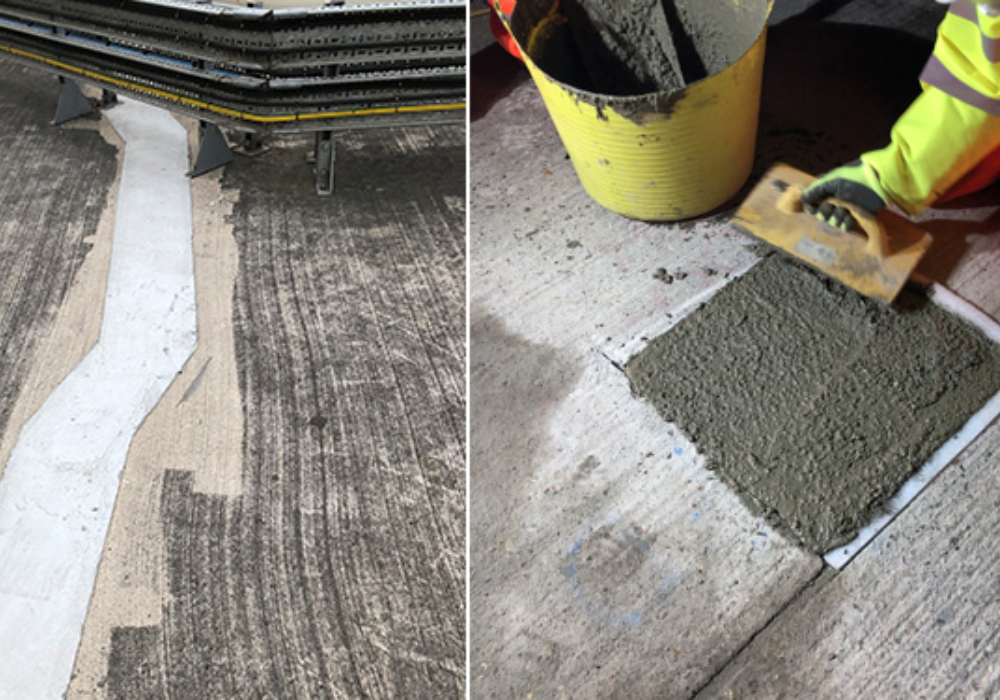
Slab waterproofing involves preparing the concrete surface by cleaning it and repairing any cracks. A waterproofing membrane, either liquid-applied or sheet-based, is then installed across the entire concrete slab waterproofing area. For roof or terrace slabs, this is critical to prevent leaks into the levels below.
10What are the common problems seen if there is no concrete waterproofing?
Without effective concrete waterproofing, you might see issues such as water seepage in basements, hairline cracks expanding, corrosion of rebar inside the concrete, and a general weakening of the structure. These problems can lead to significant and costly repairs down the line.