
How to Choose the Right Waterproofing Contractor for Your Home: A Complete Layman’s Guide
Water damage is a homeowner’s nightmare. From peeling paint and musty odors to structural cracks and foundation issues, the signs of water intrusion are not just unsightly—they are a threat to your home’s value and your family’s health. When faced with a leak, the most critical decision you’ll make is choosing the right waterproofing contractor to solve the problem permanently.
This guide is designed to empower you, the homeowner, property manager, or builder, with the knowledge you need to navigate the world of waterproofing solutions and hire a reliable expert. We’ll show you exactly what to look for, ensuring you receive high-quality waterproofing services that stand the test of time.
🛑 The Problem: Why Finding the Right Expert is Difficult
The market for building waterproofing is often flooded with temporary fixes and inexperienced providers. When you search for waterproofing companies, you might encounter several common issues that make choosing the right partner tricky:
- Too Many “Quick Fix” Promises: Many contractors offer cheap, temporary patches that fail within months, forcing you to spend more money in the long run.
- Lack of Specialized Knowledge: Waterproofing isn’t a one-size-fits-all trade. Different areas (basements, roofs, bathrooms) require different expertise and materials. An average handyman might not possess the specialized knowledge needed for complex waterproofing solutions.
- Inconsistent Quality and Warranty: Some companies use subpar materials or improper techniques. Worse, their warranties are often vague or non-existent, leaving you unprotected if the work fails.
- Misdiagnosis of the Leak Source: Water often travels far from its entry point. An unskilled contractor may treat the symptom (where the leak appears) instead of the actual cause (where the water is entering), leading to recurring problems.
Choosing the right waterproofing contractor means finding someone who can deliver a lasting, comprehensive solution, not just a superficial repair.
✅ Why Professional Waterproofing is Absolutely Essential
Thinking of delaying a waterproofing repair? Think again. Water damage is progressive; what starts as a small damp spot can quickly escalate into a major structural issue. Professional waterproofing services offer immediate and long-term benefits:
1. Protecting Your Home’s Structure
Water infiltration can weaken critical components of your home. Moisture can cause the rusting of steel reinforcement inside concrete, a process known as carbonation, leading to cracks and spalling. It can also cause wood to rot and foundations to shift. A professional building waterproofing system seals these entry points, maintaining the structural integrity of your property and preventing costly, large-scale repairs down the road.
2. Preventing Mold and Mildew for Better Health
Damp environments are breeding grounds for mold and mildew. These fungi are not just unpleasant to look at and smell; they release spores that can cause significant respiratory issues, allergies, and other health problems for your family. Expert waterproofing solutions eliminate the moisture source, creating a dry, healthy indoor environment.
3. Preserving Aesthetics and Property Value
Damp walls lead to bubbling paint, peeling plaster, and stained finishes, making your home look neglected. Professional waterproofing solutions restore and maintain your home’s aesthetic appeal. More importantly, a home with a history of documented, quality waterproofing maintains a higher market value than one with chronic water damage issues.
4. Saving Money in the Long Run
While the initial cost of quality waterproofing services may seem high, it is an investment that saves you money. By preventing structural damage, wood rot, mold remediation, and repeated minor repairs, you avoid expenses that far exceed the price of a proper, guaranteed waterproofing job.
Decoding Waterproofing: Common Methods and Techniques
Before you hire the right waterproofing contractor, it helps to understand the basic types of waterproofing solutions available. The method chosen depends entirely on the area being treated (roof, basement, wall, or bathroom).
1. Terrace and Roof Waterproofing
This is one of the most common requirements, especially in regions with heavy monsoons.
- Polymer Modified Cementitious Coatings: These involve applying a highly durable, flexible cement-based slurry mixed with special polymers. It’s often used for smaller roofs and balconies.
- Bituminous Membrane (Torch-Applied): A heavy-duty, factory-made sheet (often modified with APP or SBS polymers) is laid onto the roof surface and heat-fused using a torch. It creates a robust, seamless waterproof layer.
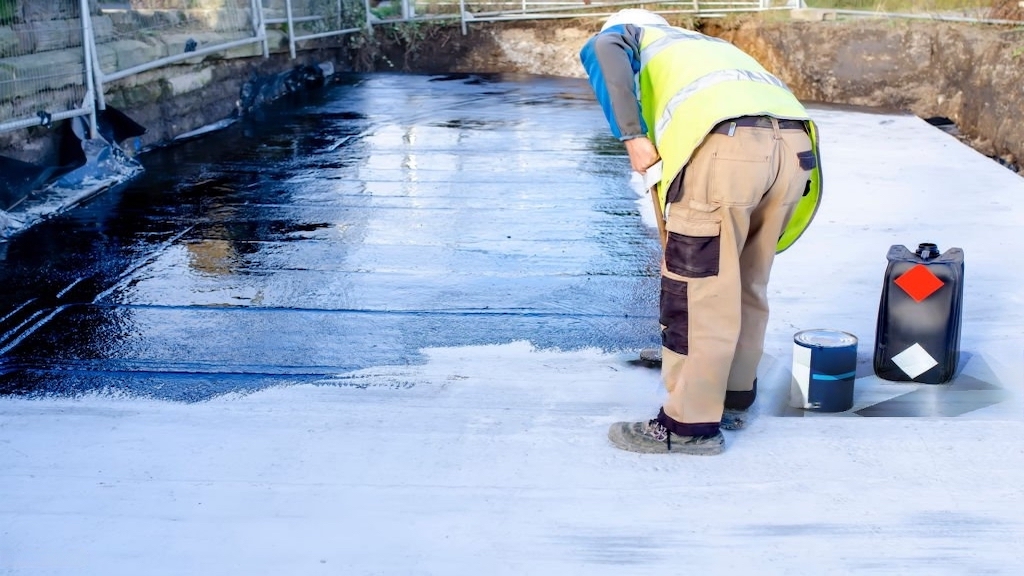
- Liquid-Applied Waterproofing Membranes (Polyurethane/Acrylic): A liquid coating, often made of polyurethane or high-performance acrylic, is applied like paint. It cures into an elastic, seamless, and UV-resistant rubber-like membrane. This is excellent for complex roof geometries.
2. Basement and Foundation Waterproofing (Below Grade)
Waterproofing underground structures is critical, as water pressure (hydrostatic pressure) can be immense.
- External Waterproofing (The Gold Standard): This involves excavating the area around the foundation and applying a robust waterproof membrane (like a bituminous sheet or liquid membrane) directly to the exterior wall. This stops water before it can enter the structure.
- Integral Waterproofing: Special chemical admixtures are added directly into the concrete mix during construction, making the concrete itself virtually waterproof.
- Internal Waterproofing: Used as a last resort or supplementary measure, this involves applying sealants or crystalline coatings to the inner face of the basement wall. These crystalline products react with moisture to form non-soluble crystals, plugging the concrete pores.
3. Bathroom and Wet Area Waterproofing
These internal areas require specialized solutions that can handle continuous exposure to water.
- Polymer-Modified Cementitious Slurries: Similar to the roof coatings, but often optimized for tiling directly over them. They must be applied before tiles are laid, covering the floor and extending up the walls (a process called “coving”).
- Epoxy Injection Grouting: For existing structures, hairline cracks in concrete can be sealed using high-pressure injection of epoxy or polyurethane resins, which expand upon contact with water, filling the void and stopping the leak.
The right waterproofing contractor will first conduct a thorough inspection, correctly identify the entry point and the nature of the leak (capillary rise, hydrostatic pressure, or crack-related), and then recommend the appropriate combination of these methods.
Choosing the Right Waterproofing Contractor: 8 Key Factors
Hiring the right waterproofing contractor for your building waterproofing needs requires careful research. Use this checklist to vet potential waterproofing companies and ensure you select a provider of reliable waterproofing services.
1. Experience and Specialization
- Look for Proven Experience: How many years has the company been exclusively providing waterproofing services? A general construction company may offer waterproofing, but a specialist is always better.
- Check Relevant Specialization: Does the contractor specialize in the specific area you need (e.g., basement waterproofing, complex roof treatment, or foundation repair)?
2. References, Reviews, and Portfolio
- Ask for Case Studies/References: A reputable company will happily share a portfolio of completed projects. Ask for references from recent clients who had a similar problem to yours.
- Verify Online Reviews: Check independent review sites (Google, industry forums) to gauge customer satisfaction and see if there are any recurring complaints about work quality or warranty claims.
- Look for Local SEO Indicators: For homeowners seeking waterproofing services in Noida, Delhi NCR, or any specific region, prioritize contractors with strong local presence and verified local project history.
3. Inspection and Diagnosis Process
- Comprehensive Site Visit: The right waterproofing contractor never gives a quote over the phone for a leak. They must conduct a detailed site inspection, which may include moisture meters, thermography (thermal imaging), or even flood testing (for terraces).
- Clear Written Diagnosis: The contractor should provide a written report detailing the exact cause of the water ingress, not just the location of the dampness.
4. Materials and Product Quality
- Standardized Materials: Ask which branded materials they plan to use (e.g., Sika, Fosroc, Dr. Fixit). Reputable companies use high-grade, certified materials suitable for the Indian climate. Be wary of contractors using unbranded or low-quality materials to cut costs.
- System, Not Just a Product: Quality waterproofing solutions involve a system (preparation, primer, membrane, protective coat), not just a single product. Ensure they detail the entire assembly.
5. Contractual Clarity and Warranty
- Detailed Scope of Work: The contract should clearly specify the area to be treated, the preparation steps, the materials to be used (including brand names), and the final finishing. Avoid vague contracts.
- Robust Warranty: This is crucial. Ask for a written warranty that specifies the duration (e.g., 5-10 years is common for many applications) and, most importantly, what it covers. Does it cover the materials, the workmanship, or both?
6. Safety and Insurance
- Safety Protocols: Especially for roof or height work, ensure the contractor follows proper safety guidelines and provides protective gear to its workers.
- Liability Insurance: Verify that the company holds adequate liability insurance. This protects you in case of any damage to your property or injury to their workers during the execution of the work.
Spotlight on Expertise:
When seeking reliable and permanent waterproofing solutions—especially for complex structural issues—you need a partner who understands the science behind water exclusion. Companies like Faith Infraprojects exemplify the standard you should look for. They focus on delivering durable, long-term building waterproofing systems, utilizing advanced techniques and certified materials, making them a wise choice for securing your property.
7. Staff Competence and Training
- In-House Teams vs. Subcontractors: Does the company use its own trained workforce, or does it hire cheap, unskilled daily-wage subcontractors? In-house teams usually ensure better quality control and accountability.
- Supervisor Presence: Ensure a qualified supervisor will be present on-site throughout the job to oversee the application process, which is critical for the success of any waterproofing membrane.
8. After-Sales Service and Maintenance Advice
- Accessibility: Is the company easy to reach? You need to know that if a problem arises during the warranty period, they will respond quickly and professionally.
- Maintenance Tips: The right waterproofing contractor will give you simple maintenance tips to protect the newly installed system (e.g., clearing drains, avoiding sharp objects on the membrane).
💲 Understanding Cost Factors for Waterproofing
Waterproofing costs are highly variable and depend on several crucial factors. Don’t simply choose the lowest bid, as it usually reflects lower quality materials or shortcuts in preparation.
- Area and Accessibility: The total surface area (square footage) is the main factor. Roofs that are easily accessible will cost less than complex basements requiring extensive excavation or hard-to-reach internal walls.
- Type of Solution: A simple cementitious coating is less expensive than a high-performance, torch-applied bituminous membrane or an advanced polyurethane liquid system. The more durable and elastic the material, the higher the cost.
- Preparation Work: Often, the most expensive part is the preparation. If the existing substrate is heavily cracked, uneven, or has failed membranes that need to be removed, the total cost will increase significantly. This is a non-negotiable step for long-lasting waterproofing services.
- The Scope of Warranty: A company offering a comprehensive 10-year warranty will typically charge more than one offering a 2-year warranty, as they are guaranteeing the quality and lifespan of their waterproofing solutions.
Always ask for a line-item quote that breaks down the cost of materials, labor, and preparation to understand exactly what you are paying for.
💡 Maintenance Tips for Long-Lasting Waterproofing
Even the best waterproofing services need a little care to ensure they last their full intended lifespan.
- Keep Drains Clear: Regularly clear gutters, downspouts, and roof drains of leaves, debris, and silt. Clogged drains cause water to pool (ponding), which severely stresses roof membranes.
- Inspect Annually: Once a year, preferably before the monsoon season, walk the perimeter of your house, your balcony, and your roof. Look for small cracks, blisters in the membrane, or signs of water stagnation. Early detection prevents major failure.
- Avoid Punctures: Be cautious when installing aerials, solar panels, air conditioning units, or any heavy objects on a waterproofed terrace. Always consult your right waterproofing contractor before drilling or installing anything that might puncture the membrane.
- Manage Landscaping: Ensure soil and mulch around your foundation are graded (sloped) away from the house so that water drains outwards, not inwards toward the basement walls.
❓ FAQ: Expert Answers on Waterproofing Your Home
1. What is the best time of year to get waterproofing services done?
The best time is usually during the dry season (summer or winter, depending on your location). Waterproofing solutions require the surface to be completely dry for proper adhesion and curing of the materials. Applying membranes during or immediately after heavy rain often compromises the final quality.
2. How long should a good waterproofing treatment last?
The lifespan of building waterproofing depends on the application area and the material used. A high-quality membrane on a terrace should last between 5 and 15 years, while foundation waterproofing should last 20+ years. Always choose a right waterproofing contractor who backs their work with a strong, written warranty.
3. Can I do DIY waterproofing for my bathroom?
While some simple sealants are available, complex areas like bathrooms, terraces, and basements should be left to a professional right waterproofing contractor. The precision in surface preparation, product mixing, application thickness, and curing time are critical failure points that only experienced professionals master.
4. What is the difference between damp-proofing and waterproofing?
Damp-proofing protects against minor ground moisture and capillary action (water rising through tiny pores in the wall), often using thinner coatings. Waterproofing solutions protect against continuous, pressurized water flow (hydrostatic pressure), requiring thicker, more robust, and flexible membranes. For severe leaks, you always need proper waterproofing services.
5. Why do roof waterproofing treatments fail?
The three main reasons are: 1) Improper surface preparation (dirt, dust, or old membranes were not fully removed). 2) Using low-quality, rigid materials that crack when the structure expands/contracts due due to temperature changes. 3) Poor workmanship, such as applying the membrane too thinly or failing to seal joints properly. So It is very important to choose a right waterproofing contractor.
6. Do I need to be present while the waterproofing work is being done?
It’s not necessary to be present every minute if you have chosen right waterproofing contractor, but you should be available during the initial diagnosis, the final walk-through before the work begins, and the final inspection after completion. Having a supervisor from the waterproofing companies present throughout the application process is more important.
Conclusion: Your Home Deserves the Best Protection
Choosing the right waterproofing contractor is an investment in your home’s future, protecting it from structural failure, health hazards, and decreasing value. The key is to look beyond the price tag and focus on specialization, material quality, proven track record, and a strong, clearly defined warranty.
Don’t settle for temporary patches. Secure the health and longevity of your most valuable asset with permanent, professional waterproofing solutions.
If you’re looking for expert waterproofing services and reliable building waterproofing in regions like Noida, Delhi NCR, or across India, consider reaching out to a trusted industry leader. Faith Infraprojects is committed to delivering scientifically-backed and durable waterproofing systems tailored to your specific needs.
Take the first step toward a leak-free home.
📞 Call to Action
Want long-lasting protection for your plywood and furniture?
👉 Contact Faith Infraprojects today to choose the right waterproofing contractor in Delhi NCR.
Ensure your home stays beautiful, dry, and damage-free for years to come!